Sustainable Business
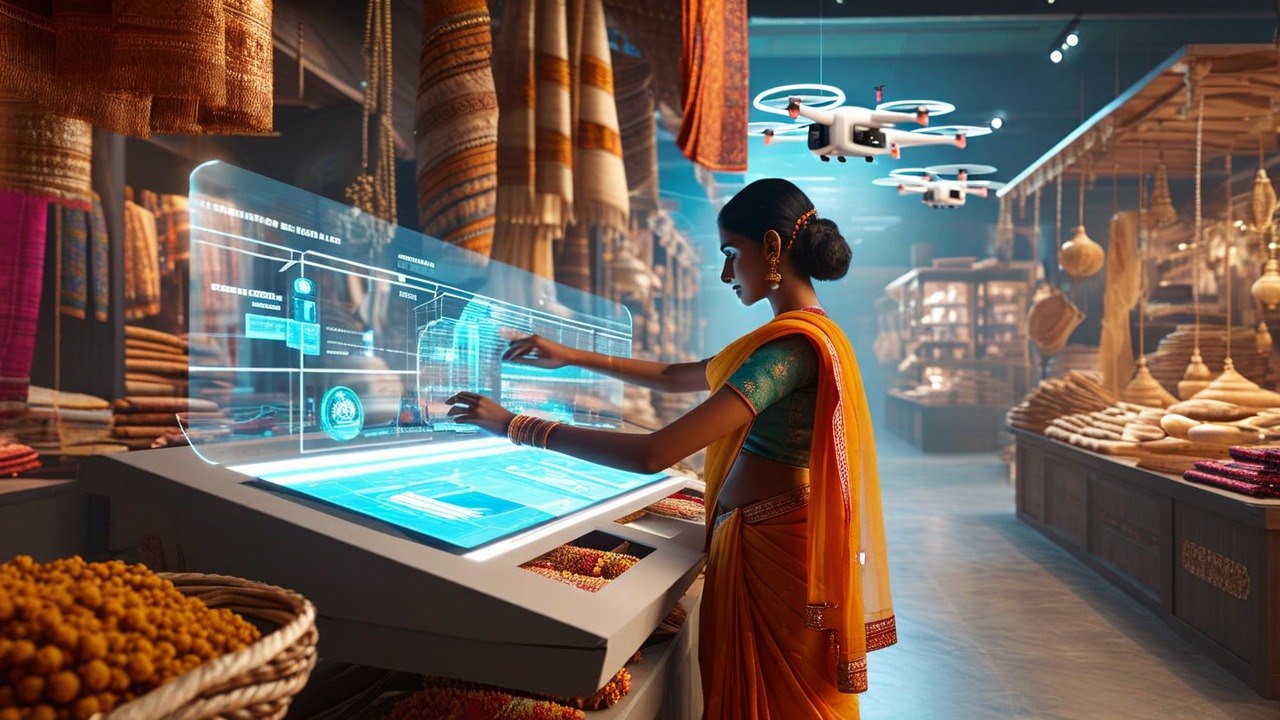
Building an Equitable Future
In an era of rapid economic growth and globalization, businesses play
a crucial role in shaping a sustainable future. While profitability
drives industries forward, it is equally important to build
enterprises that foster social well-being, cultural preservation, and
fair economic opportunities. However, many existing business models
often prioritize short-term gains over long-term sustainability,
leading to wage disparities, loss of traditional livelihoods, and
environmental degradation.
For example, small-scale artisans and local craftspeople
struggle to compete in global markets, often losing their cultural
heritage in the process. Similarly, workers in emerging industries
lack access to proper upskilling programs, limiting their ability to
participate in the green economy transition. Additionally, supply
chains frequently suffer from a lack of transparency, making it
difficult to ensure fair wages and equitable profit distribution.
Recognizing these challenges, this theme invites participants to
design innovative business solutions that promote sustainability
across multiple dimensions:
Create Sustainable Livelihoods
- Design solutions that generate stable, fair-paying jobs across all socioeconomic levels.
- Develop platforms that connect skilled workers with opportunities in emerging sustainable industries.
- Create tools for upskilling and reskilling workers for the green economy transition.
Foster Cultural Sustainability
- Build systems that help preserve and promote local cultural practices while scaling businesses.
- Develop frameworks for indigenous knowledge integration into modern business practices.
- Create platforms that enable traditional craftspeople to reach global markets sustainably.
Enable Equitable Economics
- Design fair profit-sharing models across supply chains.
- Create transparency tools for wage equality and fair labor practices.
- Develop systems that ensure small businesses and local communities benefit from economic growth.
Participants are encouraged to leverage technology, data, and innovative business models to create solutions that ensure businesses are not just profitable but also socially responsible and culturally inclusive.